
Lower energy bills
Ceilings commonly account for 35 to 45 percent of winter heat loss. Adding R4.0 to R6.0 batts in the roof space reduces the workload on heaters and air conditioners, which lowers running costs.
Point Cook
Bulk insulation traps still air in your ceilings and walls to slow heat flow. In Point Cook’s newer homes, this is the most effective way to cut winter heat loss and summer heat gain through the roof space and external walls.
Share your details and Expert Insulation Melbourne will contact you about Bulk Insulation in Point Cook.
Bulk insulation uses materials like glasswool, polyester or rockwool batts to resist the flow of heat. In Point Cook, where many homes are modern brick veneer or weatherboard, installing it in the ceiling and external walls reduces reliance on heating and cooling systems. It works by trapping millions of tiny air pockets within the fibres, which slows conductive and convective heat transfer.
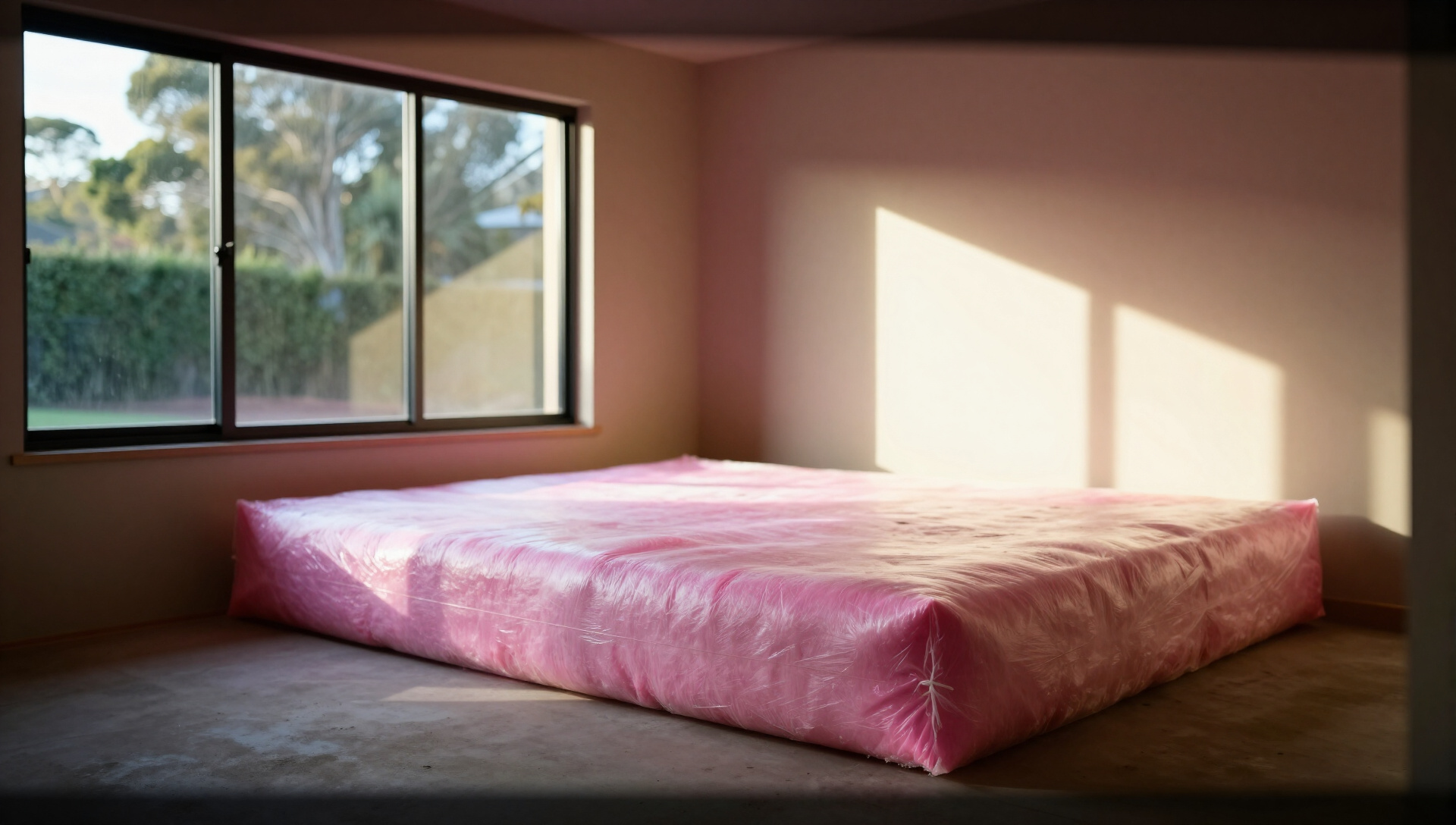
Point Cook’s post-2000 estates often have minimal or no insulation, leading to cold floors in winter and overheated rooms in summer. Bulk insulation addresses these issues directly by improving thermal resistance where it matters most.
Ceilings commonly account for 35 to 45 percent of winter heat loss. Adding R4.0 to R6.0 batts in the roof space reduces the workload on heaters and air conditioners, which lowers running costs.
Bulk insulation in external walls evens out indoor temperatures by slowing heat transfer through brick veneer or weatherboard cladding. This means fewer cold spots near windows and outer walls.
Dense batts absorb airborne noise, so you hear less traffic from the Princes Freeway and less echo between rooms. Acoustic batts can be used in internal walls for extra sound control.
Quality batts retain their thickness and R-value for decades if kept dry. In Point Cook’s dry climate, moisture is rarely an issue in roof spaces, so the insulation maintains its effectiveness.
Glasswool and rockwool batts are non-combustible, adding a layer of fire resistance to wall and ceiling cavities. This is a key consideration for newer estates with close neighbouring properties.
Polyester batts are made from recycled plastic and do not off-gas or attract dust mites, making them a good choice for households with allergies or sensitivities.
Installing bulk insulation in Point Cook is straightforward in most homes. Access to the roof space is usually via a manhole, and external walls can be insulated during renovations or by removing sections of internal lining.
We check the roof space for existing insulation, electrical cables, downlights and any signs of moisture or pests. Old compressed batts are removed if they no longer provide adequate thermal resistance.
Batts are measured to fit snugly between ceiling joists or wall studs without gaps. We leave clearances around downlights, flues and other heat sources as required by Australian standards.
Starting from the farthest corner, we lay batts perpendicular to the joists, ensuring full coverage with no compression. For topping up, new batts are placed over the old layer to achieve the target R-value.
For new builds or renovations, batts are fitted into open stud frames before the lining goes up. In existing homes, we can insulate walls by carefully removing and replacing sections of plasterboard.
Point Cook’s housing stock is dominated by post-2000 brick veneer and weatherboard homes, many of which were built with little or no insulation. The suburb’s exposure to hot northerly winds in summer and cold snaps in winter makes thermal insulation a priority. Bulk insulation in ceilings and external walls directly addresses the main paths of heat loss and gain, improving comfort and reducing energy use.
Modern homes in Point Cook benefit from bulk insulation to combat heat loss in winter and heat gain in summer.
Homeowners in Point Cook often ask about the practicalities of installing bulk insulation. Here are the most common questions we answer on site.
Point Cook homeowners looking to improve thermal comfort and reduce energy bills will find bulk insulation the most cost-effective solution. Ceiling batts fitted between joists in the roof space slow the escape of heated air in winter and block radiant heat in summer. For brick veneer and weatherboard homes, adding bulk insulation to external walls further stabilises indoor temperatures.
The choice of material affects performance and handling. Glasswool batts offer high thermal resistance and are non-combustible, making them a popular choice for ceilings. Polyester batts are softer to handle and do not irritate skin, which can be an advantage for DIY installations. Rockwool provides excellent fire resistance and acoustic properties, ideal for walls shared with garages or neighbouring properties.
Costs vary based on the size of the home, the R-value selected and whether existing insulation needs removal. In Point Cook, most installations are completed in a day for an average-sized house. Access is typically via the manhole in the ceiling, and we ensure all safety clearances around electrical fittings are maintained.
Call Expert Insulation Melbourne on 0399695249 or email info@expertinsulationmelbourne. com. au to discuss bulk insulation for your Point Cook home.